Hong Kong's Buildings Department recently issued an occupation permit for the CSCEC-built Proposed Composite Development at 16–20 Temple Street in Yau Ma Tei.
The permit confirms that construction is complete and the building meets safety standards for occupancy.
CSCEC overcame a series of challenges, using Modular Integrated Construction (MiC) technology to build in a busy downtown area while minimizing disruption to the surrounding neighborhood.
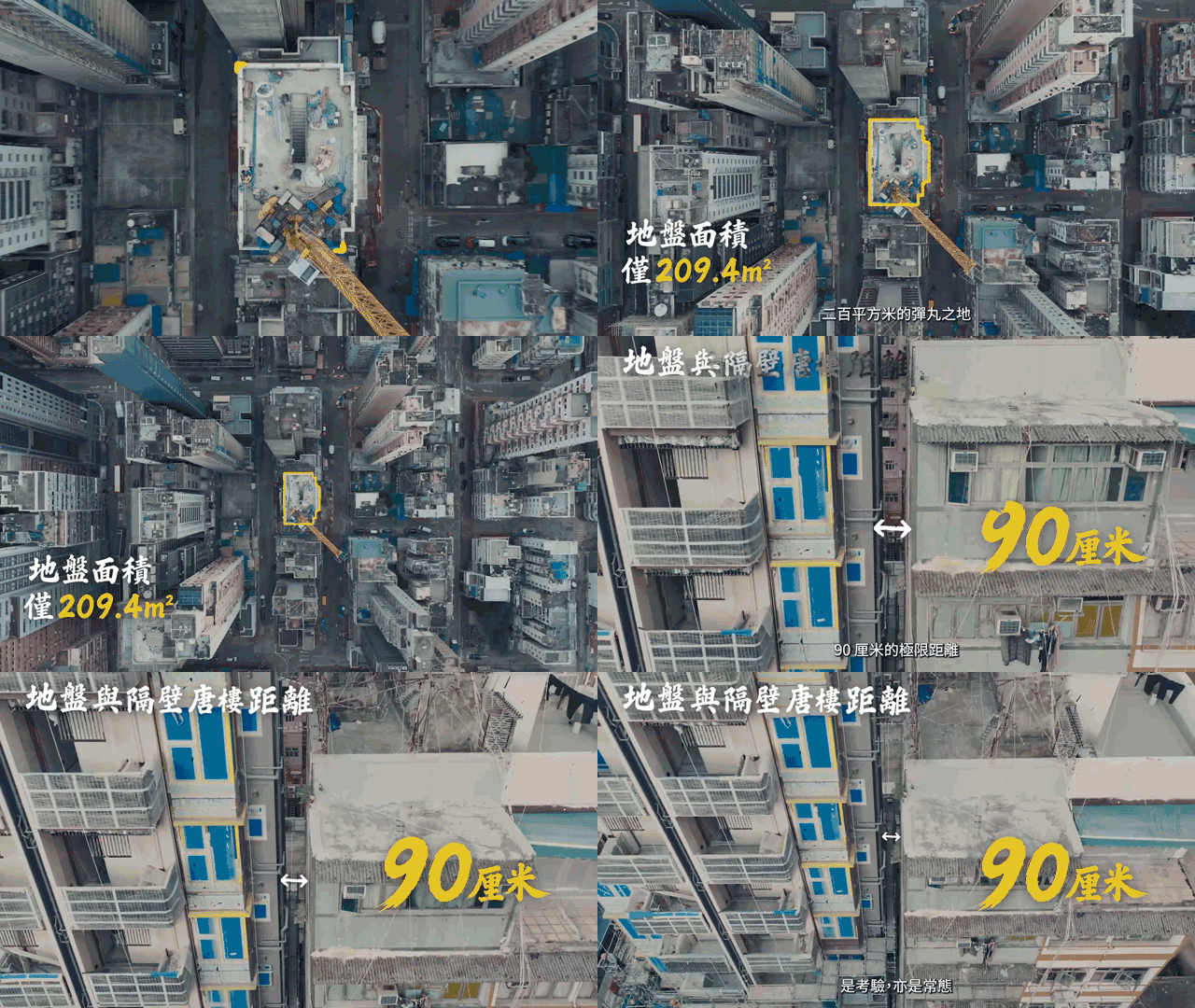
The project site itself posed major constraints. It covers just 209.4 square meters and sits only 0.9 meters from the neighboring building, making conventional construction methods impractical. A 161-year-old Tin Hau temple stands nearby, along with numerous shops and street vendors. The team therefore had to enforce strict noise controls and carefully coordinate deliveries. Only one delivery truck could enter the site at a time to keep the narrow street from becoming congested.
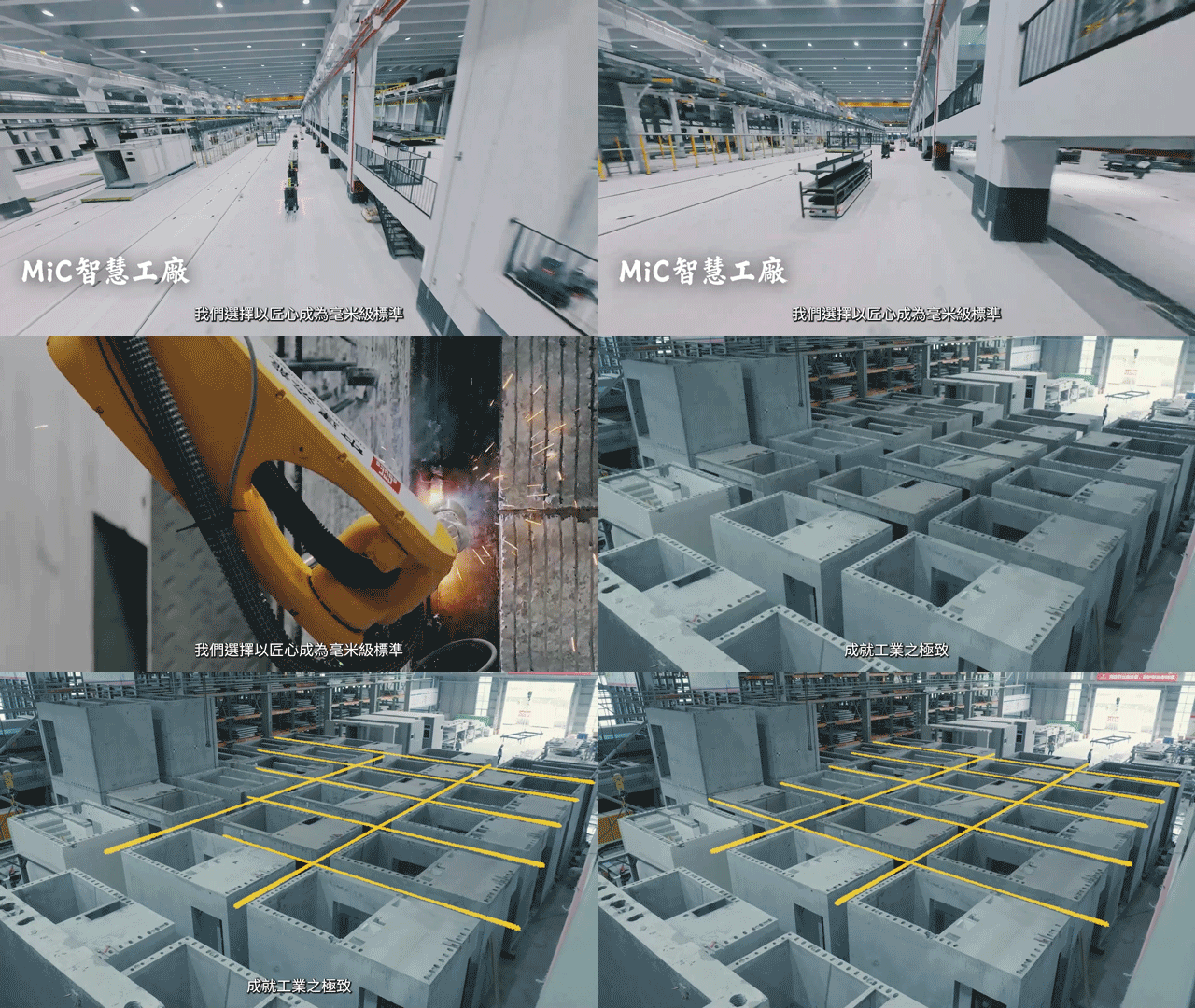
The project was made possible by the use of full MiC construction. CSCEC divided the building into 143 individual modules, then fabricated each module's structural components, interior finishes, and electrical and mechanical systems at a smart factory in the Guangdong-Hong Kong-Macao Greater Bay Area. Crews then transported the modules to the site and hoisted them into place one by one, much like assembling building blocks.
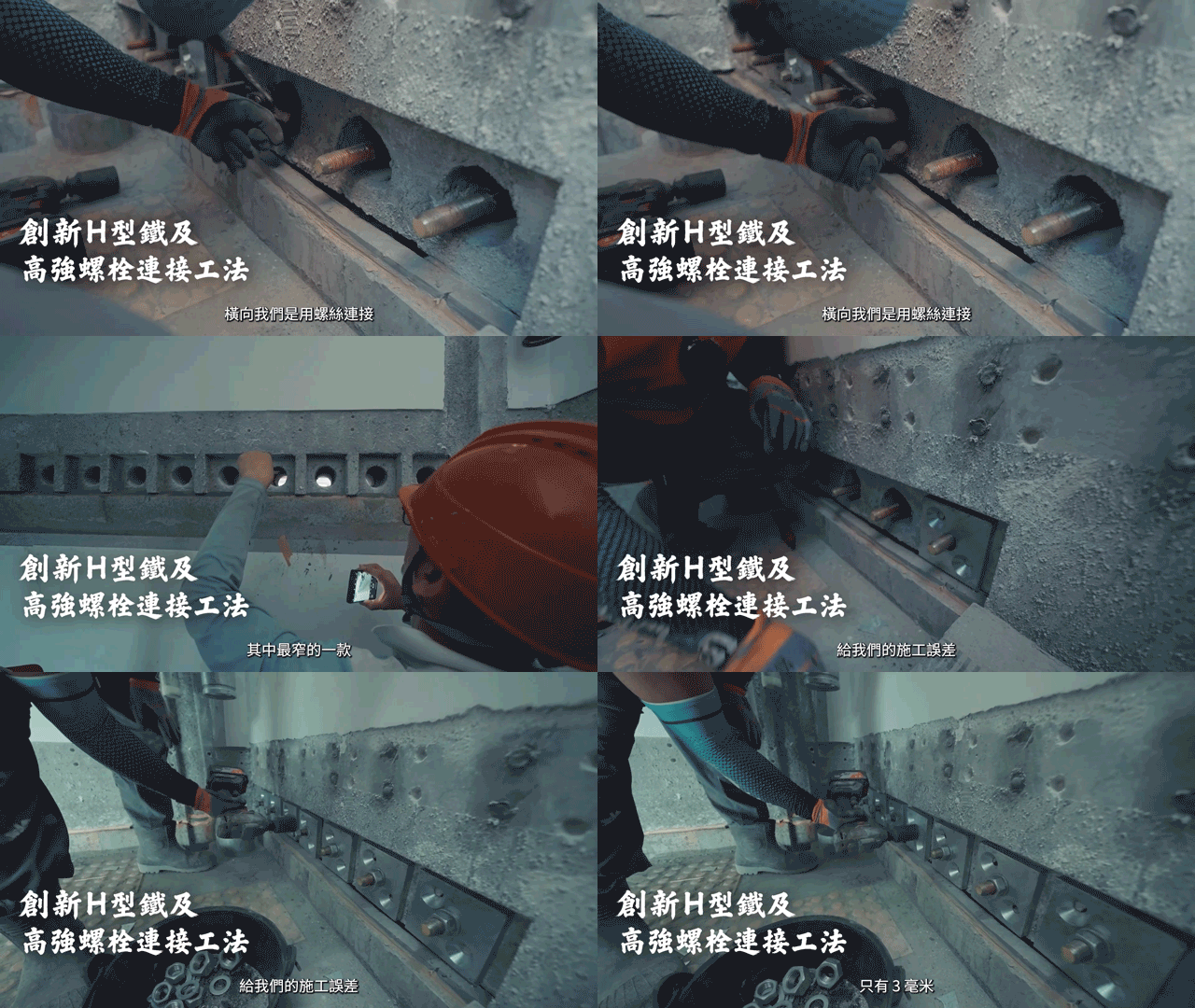
Connecting the modules posed one of the toughest challenges. After hundreds of precise calculations and six months of testing, the project team developed a new vertical rebar splicing technique that uses corrugated metal ducts to connect reinforcement bars between modules. The Buildings Department approved the technique, making the Proposed Composite Development at 16–20 Temple Street Hong Kong's first private residential project using full MiC construction on all residential floors.
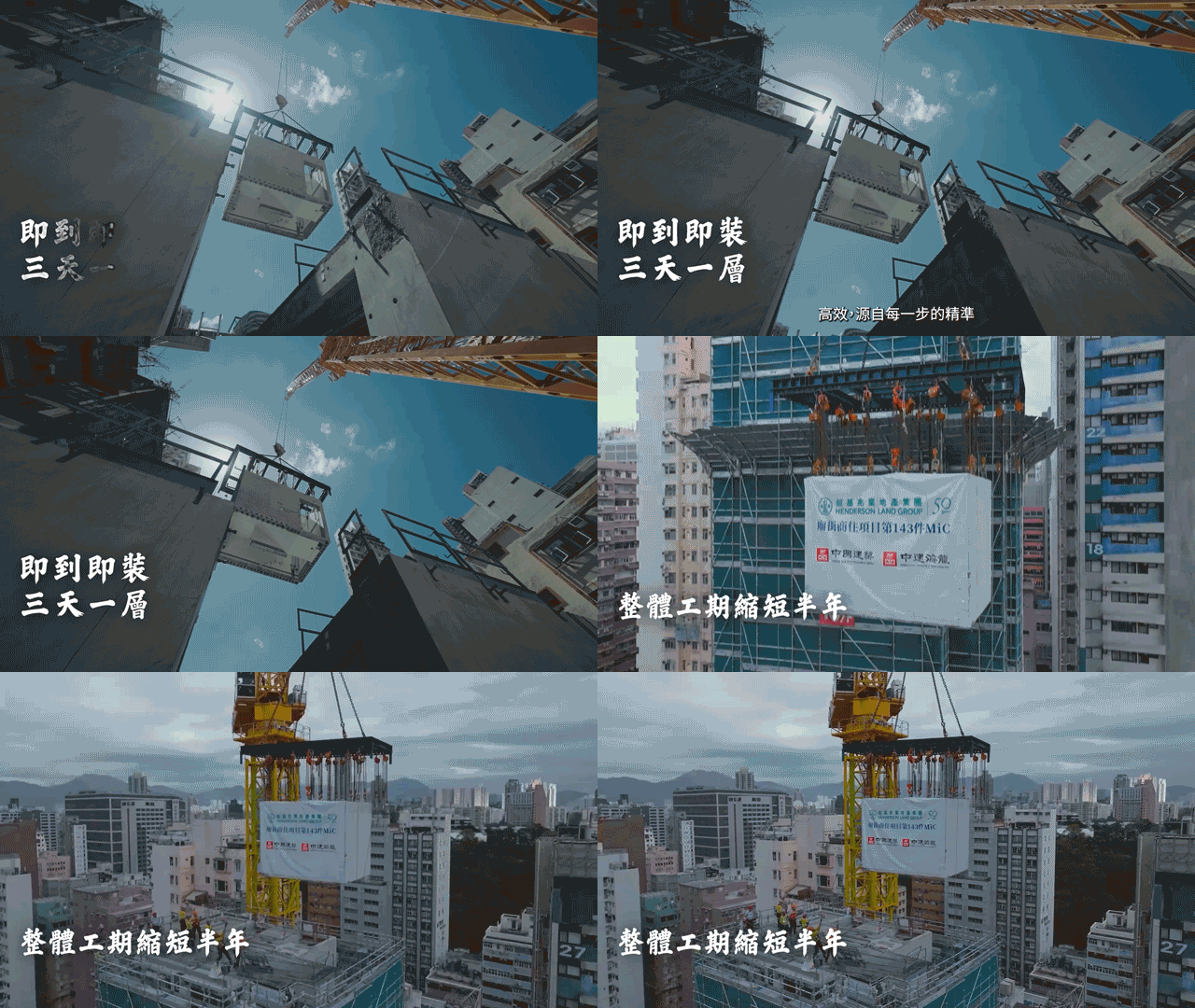
The tight site also ruled out large cranes, so the team deployed a custom-built tower crane, supported by real-time tracking and a dispatch system, to keep module installation running smoothly.
Digital tools, including building information modeling (BIM) and 3D scanning, kept module installation errors below 4 millimeters, which was critical for stacking modules and aligning facades. Close coordination among manufacturing, transport, and installation teams enabled the project to complete one floor every three days.

Throughout the 18-month construction period, the team reopened the street to traffic by 4 p.m. each day, limiting the impact on nearby shops and vendors.
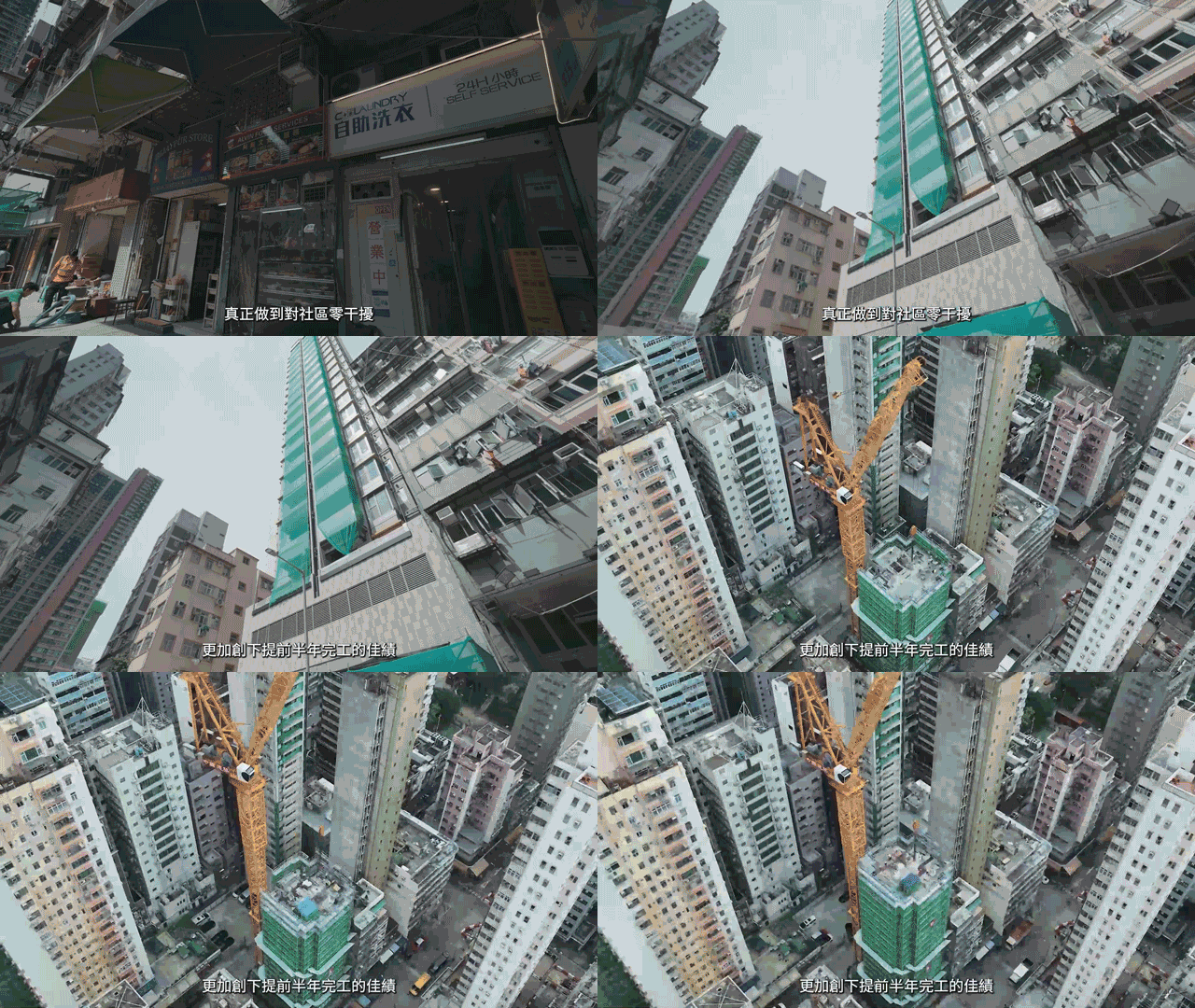
By keeping dust, noise, and disruption to a minimum, the project earned support from the local community.
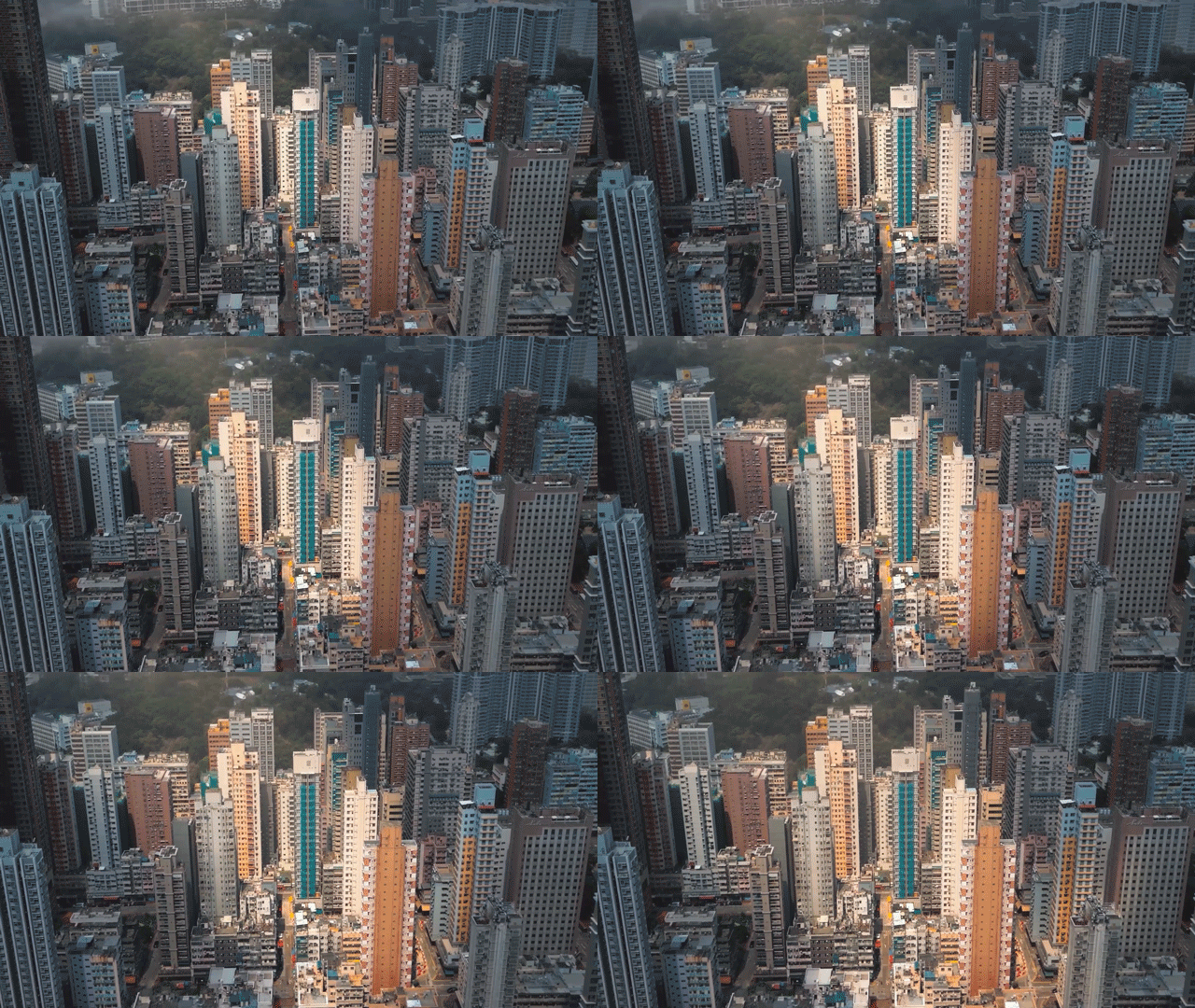
The building is now complete and ready for handover. Hong Kong's Construction Industry Council has called it a benchmark for private residential MiC projects in Hong Kong, saying it offers a practical model for similar redevelopment work and has strengthened industry confidence in using MiC to transform construction practices in Hong Kong.


Site Map | Legal Statement | FAQ | Contact Us
©2017-2020 CSCEC ICP 05049820 CSCEC . LTD ICP 08010180



