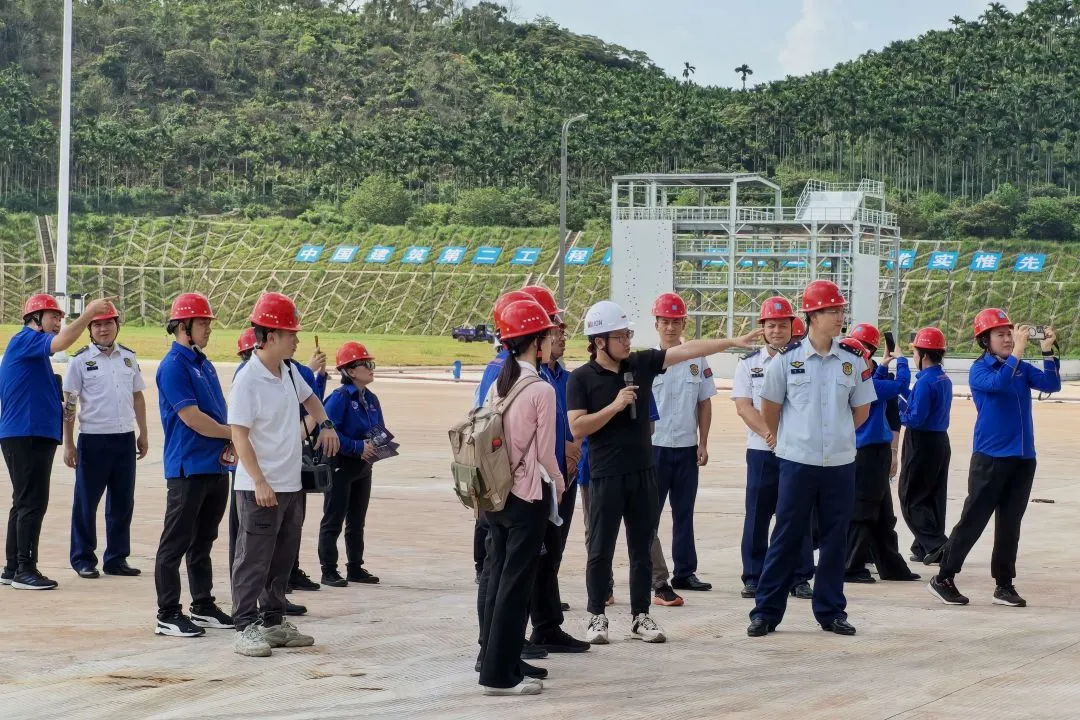
A delegation from the Malaysia Civil Defense Force recently visited a fire rescue and emergency response training base built by CSCEC in south China's Hainan Province.
The delegation met with representatives from the fire and rescue department of Hainan Province and the project team to discuss construction challenges, key technologies and smart building solutions, and to learn about the project's achievements in international fire and rescue training.
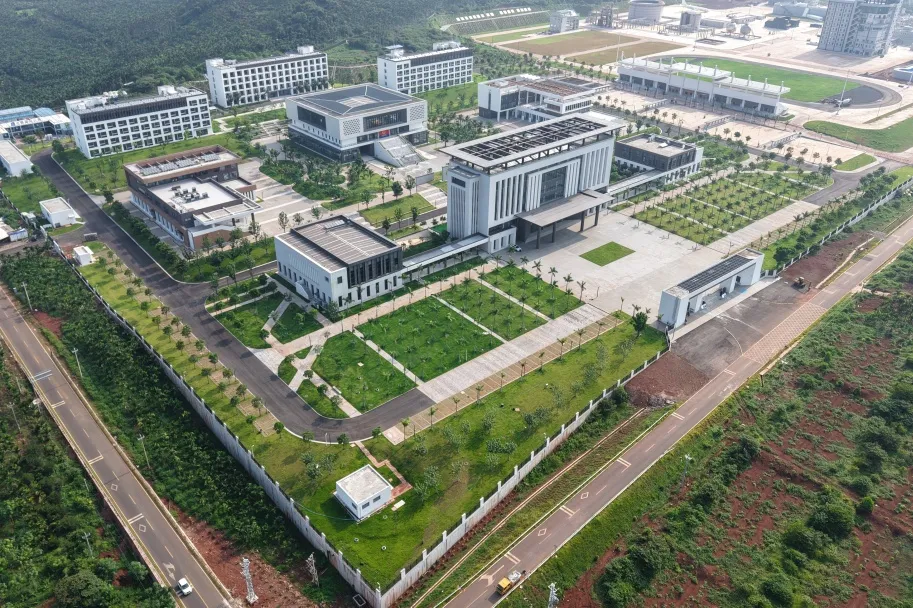
Located in Ding'an county, the project includes six teaching buildings, three dormitories and a range of training facilities designed to simulate high-rise fires, strong winds and floods, earthquakes and other disaster scenarios. It is China's first integrated training base covering multiple types of disasters and rescue specialties and is expected to significantly strengthen Hainan's emergency response capabilities once completed.
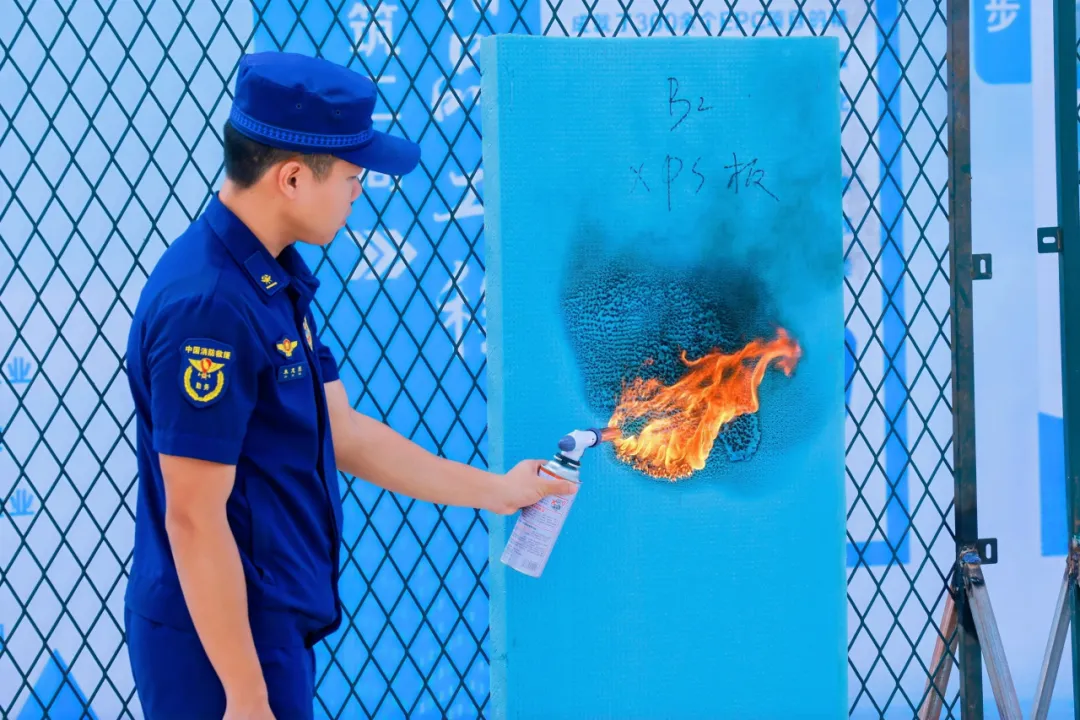
The project's east zone alone features 59 training scenarios in 10 categories, including urban high-rise fire rescue, all housed in a comprehensive training building. Because the facilities must withstand repeated simulated disasters, including temperatures above 600 degrees Celsius and strong seismic forces, the project team used a combination of heat-resistant steel structures and insulating brick systems. The design allows the steel and brick components to expand and contract independently as temperatures change, while multiple insulation layers reduce heat transfer and help protect the building's overall structure.
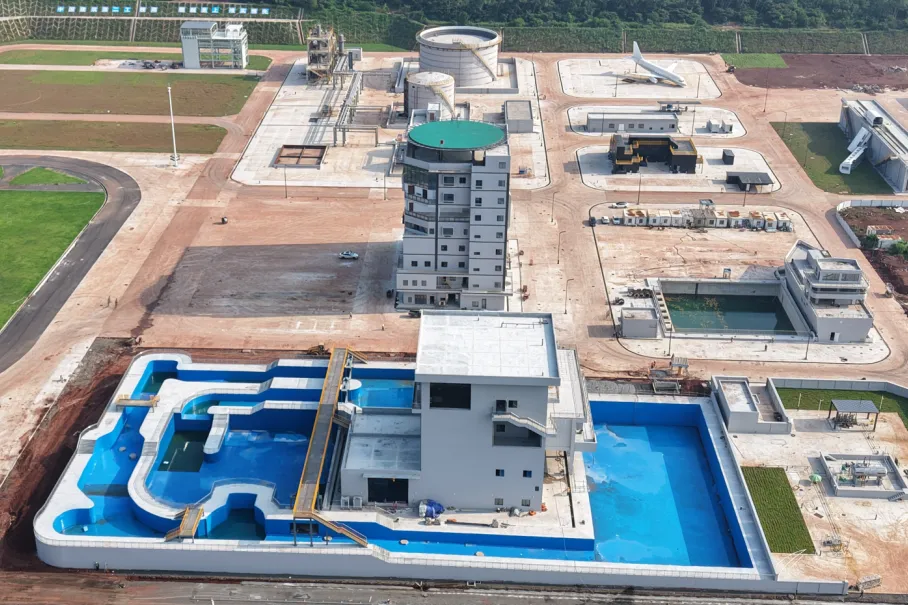
The project team also worked with experts from the fire and rescue department of Hainan Province to incorporate dynamic simulation and collaborative design into the project, fitting nine types of swift-water and disaster rescue scenarios into an area of just 11,000 square meters — about the size of one and a half standard soccer fields. Every design underwent calculation, simulation and review before being finalized, marking what the team described as a shift from "experience-based design" to "data-driven design."


Site Map | Legal Statement | FAQ | Contact Us
©2017-2020 CSCEC ICP 05049820 CSCEC . LTD ICP 08010180



