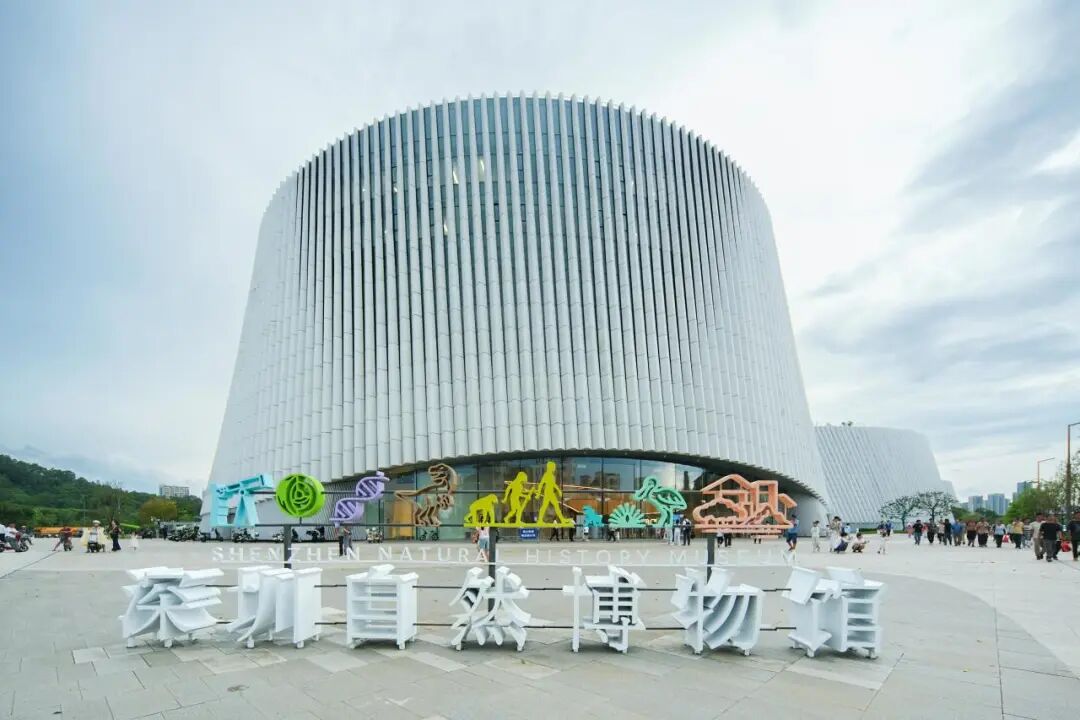
Recently, the Shenzhen Natural History Museum, built by CSCEC, opened its doors to the public.

The museum covers 105,300 square meters. It's the largest natural history museum in southern China.
The opening fills a gap in Shenzhen, which previously lacked a large, comprehensive natural history museum. It also provides the Guangdong-Hong Kong-Macao Greater Bay Area with a new cultural landmark for collection, research, exhibition and education.

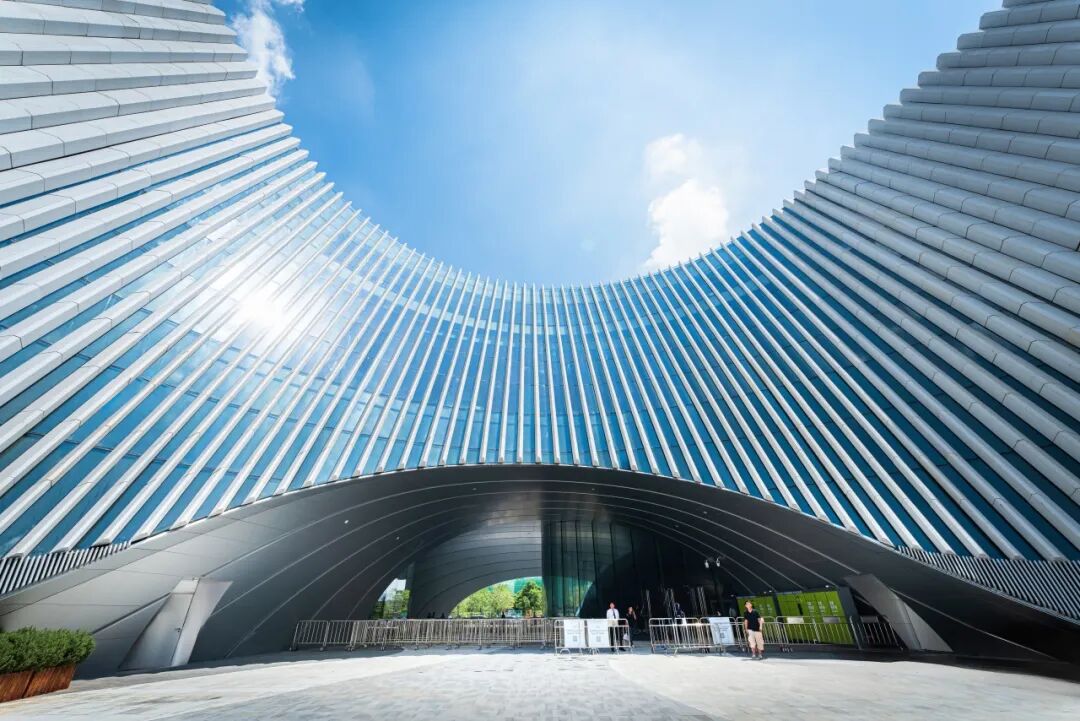
The building's facade gives it a solid, understated look. The museum also features a rooftop garden, with walkways stretching more than 600 meters.
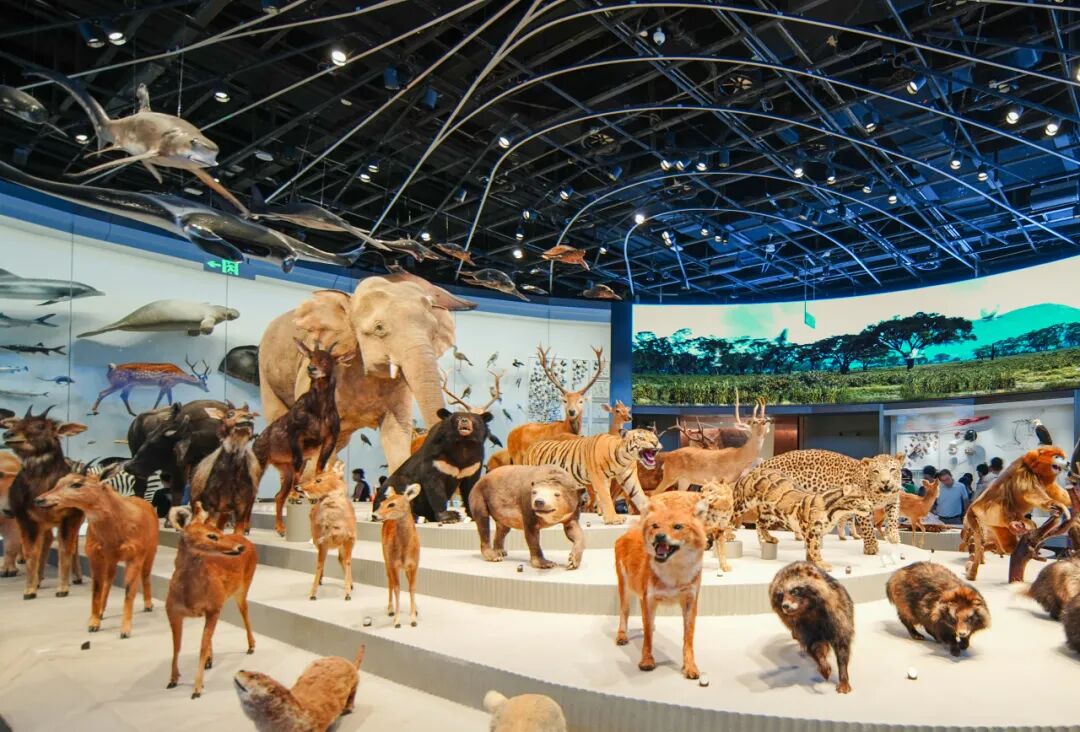
The museum houses eight permanent themed exhibition halls — Universe, Earth, Evolution, Dinosaurs, Humans, Biology, Ecology, and Homeland.
A total of 7,461 specimens, 338 simulation models, and 194 exhibits are on display, presenting a narrative that runs from the cosmos to natural heritage closer to home.

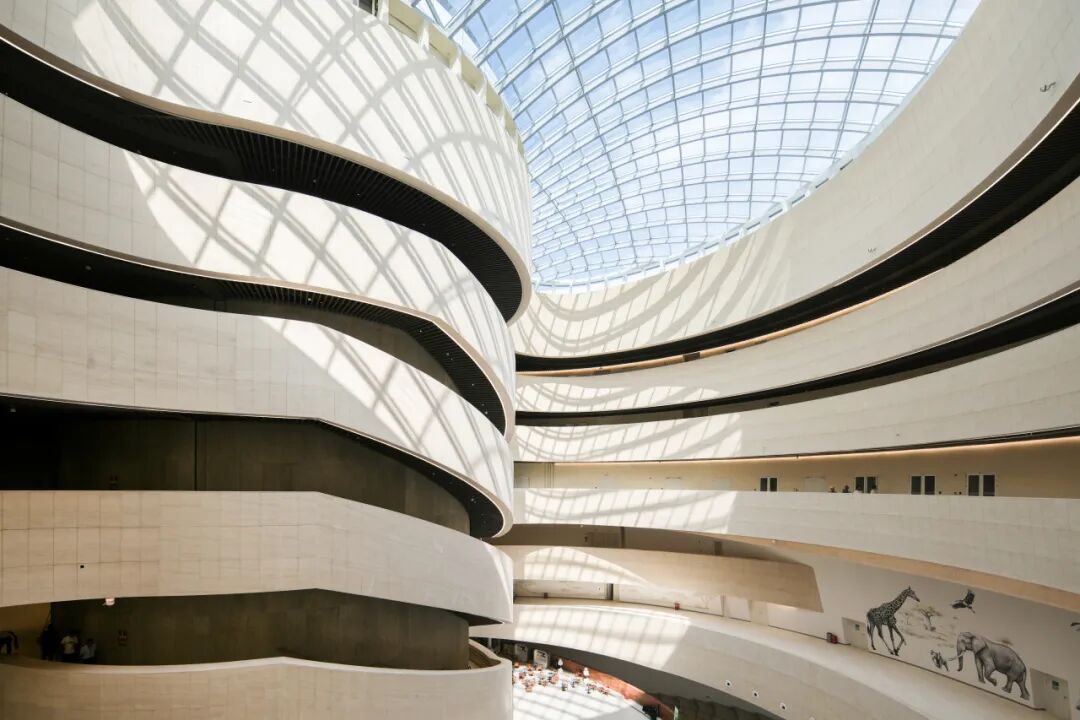
The museum's main structure is an inclined steel frame, assembled from 5,500 steel components and using about 24,000 tonnes of steel in total.
The project team relied on digital simulation throughout construction, combining virtual and physical pre-assembly to precisely align each component before installation.
The construction site featured a range of smart equipment. Collaborative, flexible welding robots equipped with high-precision laser sensors operated in coordination, while digital technologies including 3D scanning and BIM model detailing created a digital replica of the physical structure. Together, these tools improved both construction quality and efficiency.
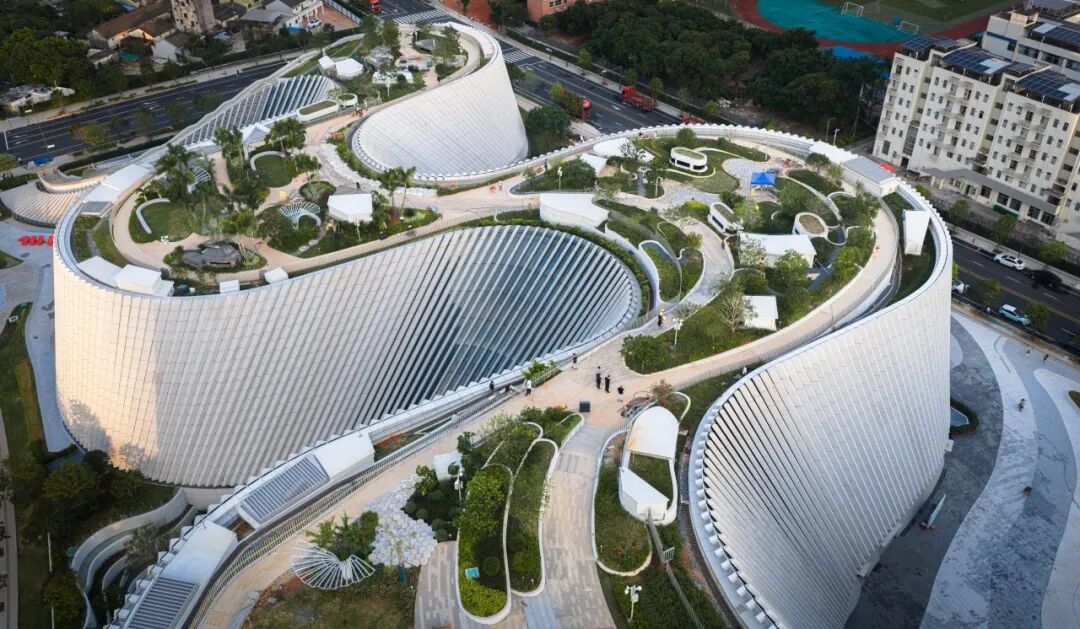
The project also embraced green building practices. Builders used curved mechanical and electrical piping, lightweight partition walls and other prefabricated components, reducing construction noise and disruption while helping the museum blend into its surroundings.
The project has received more than 20 national and international honors, including the "Making a Better World - AEC, Greater China" award at the Autodesk Design & Make Awards and the first prize for BIM at the fifth International Smart Construction Innovation Awards.


Site Map | Legal Statement | FAQ | Contact Us
©2017-2020 CSCEC ICP 05049820 CSCEC . LTD ICP 08010180



