Recently, an event marking the start of Beijing Urban Renewal Experience Week and the release of urban renewal cases was held at the Shell Theater in Chaoyang Park, Beijing. The city released 32 urban renewal cases, including three Beijing projects in which CSCEC participated in investment, construction, operation and other areas.
The first is the renovation of leisure and consumption facilities in the northern part of Chaoyang Park, in Chaoyang District. Located in Maizidian Subdistrict, the project has created seven commercial venues and four open landscape areas, bringing 50,000 square meters of idle space back into use.
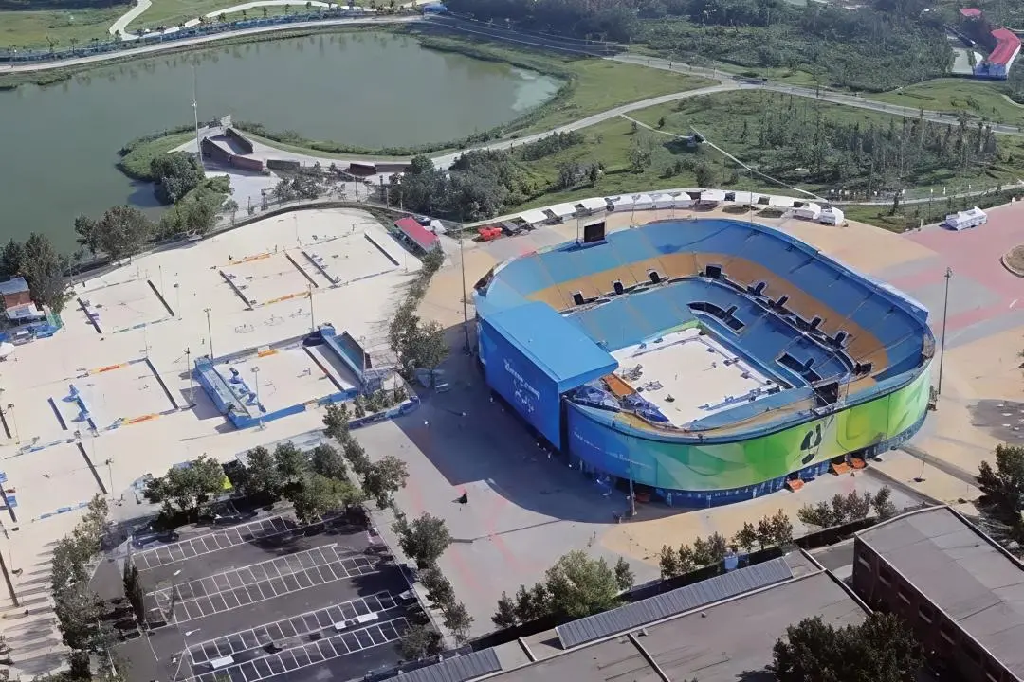
Before renovation
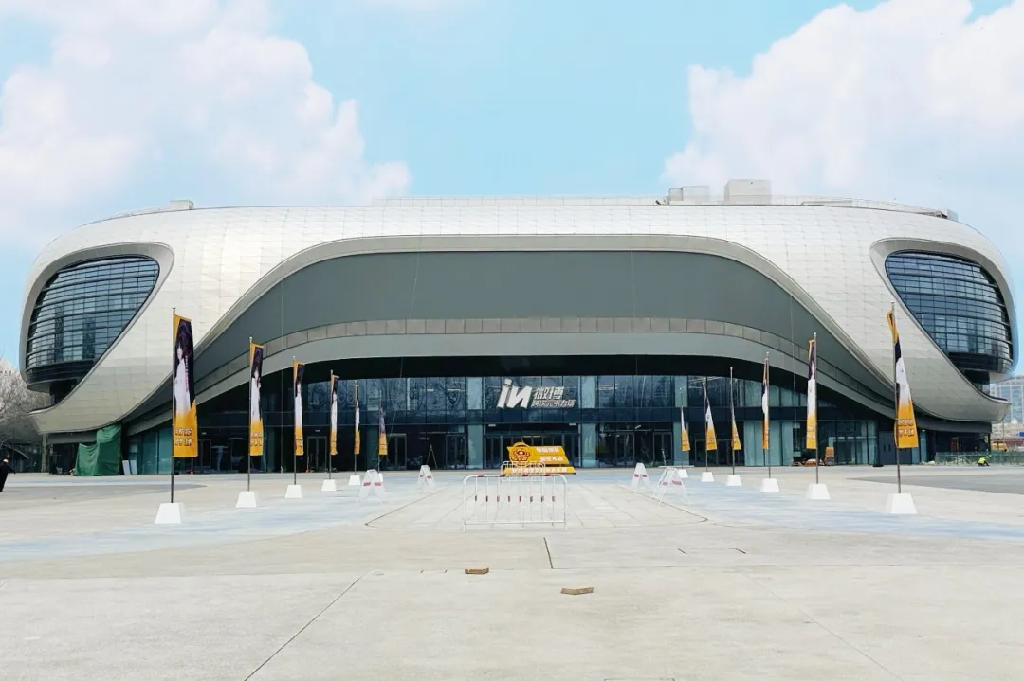
After renovation
The site was once a beach volleyball venue for the Beijing Olympics. It is now Beijing's largest professional esports arena, serving northern China and hosting more than 100 top domestic and international esports events a year.
The team used Rhinoceros 3D models and building information modeling (BIM) to run repeated simulations. This enabled them to install more than 2,000 multi-surface panels and integrate more than 10,000 LED screens into a single display, creating a high-tech look.
The team also integrated electromechanical equipment and stage equipment, as well as the metal roof, into the 210-tonne spherical grid roof during the planning and construction process. With retractable seating that can be quickly reconfigured, the arena can accommodate more than 1,500 spectators.
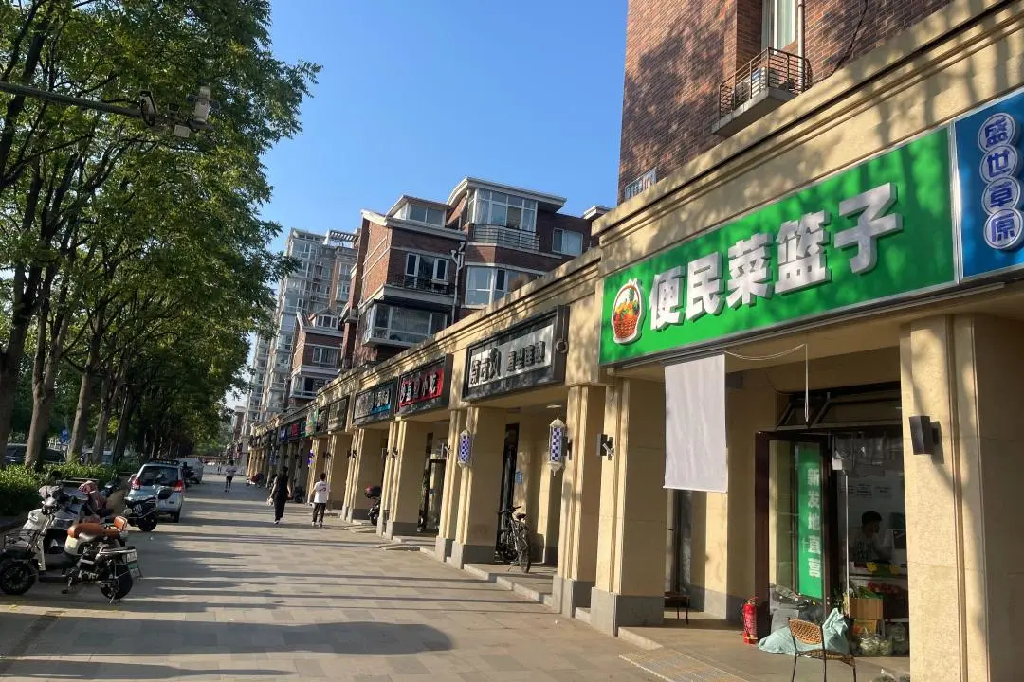
Garden Avenue before renovation
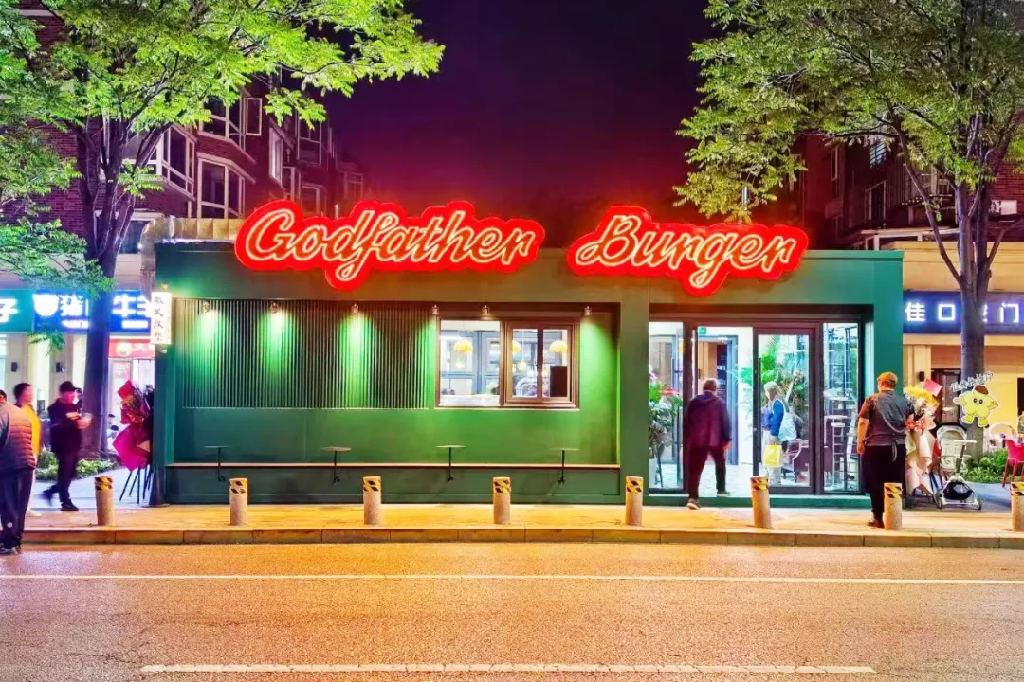
Garden Avenue after renovation
The second project is the renewal of the Garden Avenue block in Liyuan town, Tongzhou District, Beijing's city sub-center. The area previously lacked public spaces and a diverse mix of businesses. Guided by the concept of a "garden city," the project added 18 prefabricated commercial shops that combine greenery, specialty retail, leisure and light shows for night tours. The block is now an art-themed commercial street serving 35 nearby communities and about 95,000 residents.
All the units were leased before the project's completion. The project attracted 17 owner-operated brands offering specialty hand-brewed coffee, cultural and creative products, tea drinks and other goods.
The new prefabricated shops and existing street-front shops now form a pedestrian-friendly inner street, allowing old and new businesses to complement each other and giving traditional shops a boost.
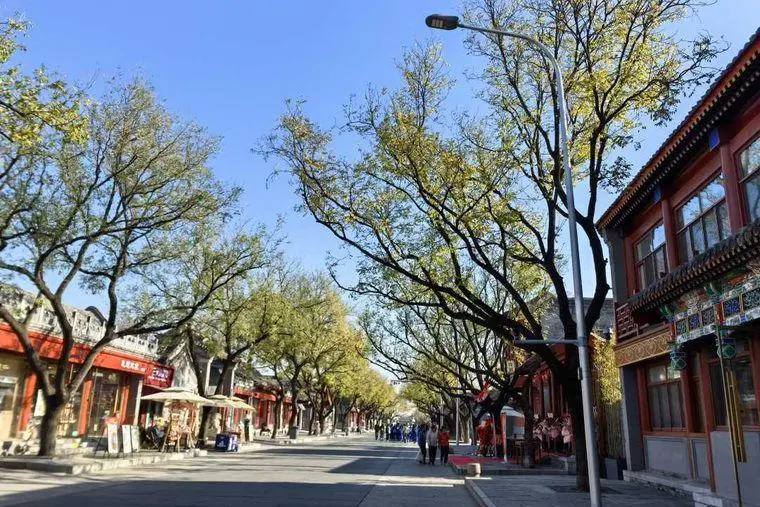
Wanping, a fortress town, before renovation
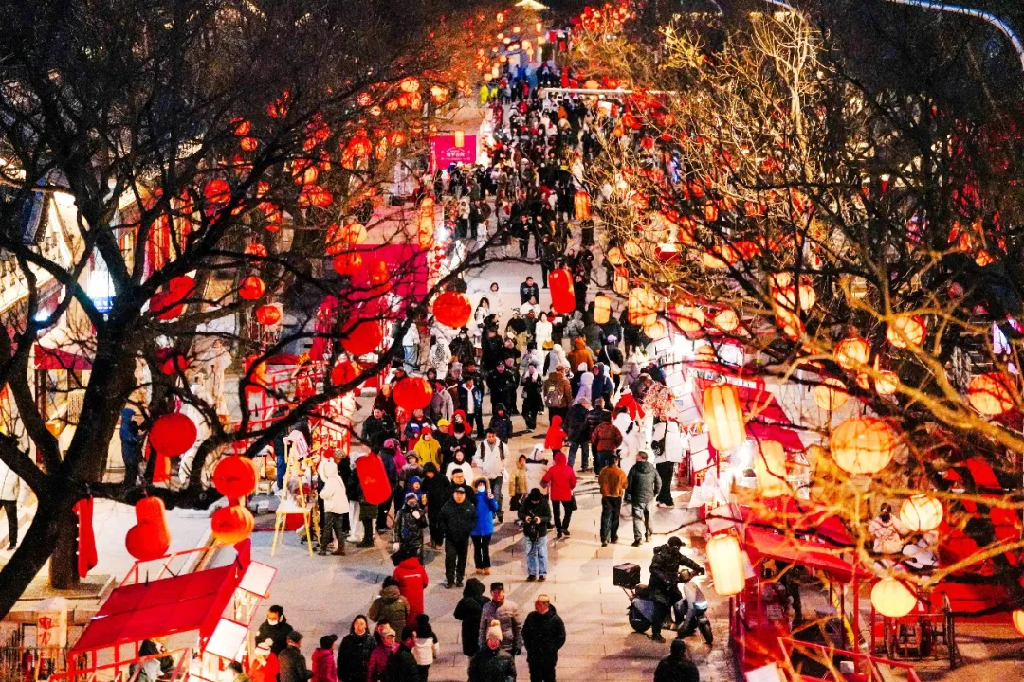
A temple fair held in Wanping, a fortress town, during the 2026 Spring Festival
The third project is the comprehensive renewal of Wanping, a fortress town in Fengtai District. Built in 1640, the fortress is a key cultural relic site under state protection. During the 2026 Spring Festival, a temple fair turned the ancient town into a "mobile theater." It attracted 150 merchants and around 400,000 visits by tourists and was featured on Xinwen Lianbo, China Central Television's flagship news program.
More than 20 performance spots were set up along streets, at city gates and in squares, with shows staged in rotation throughout the day. The 380-year-old town was transformed into a living theater that visitors could explore on foot.
A route along the main street featured dining, cultural and creative products, and flash-mob events along the city wall.
Open stages were also set up, where 30 performers dressed in costumes from theMing Dynasty (1368-1644) played non-player characters (NPCs), inviting visitors to join in at any time.


Site Map | Legal Statement | FAQ | Contact Us
©2017-2020 CSCEC ICP 05049820 CSCEC . LTD ICP 08010180



