Recently, Shenzhen's Huanggang Port, built by CSCEC, opened for 24-hour clearance of travelers and cross-border vehicles.
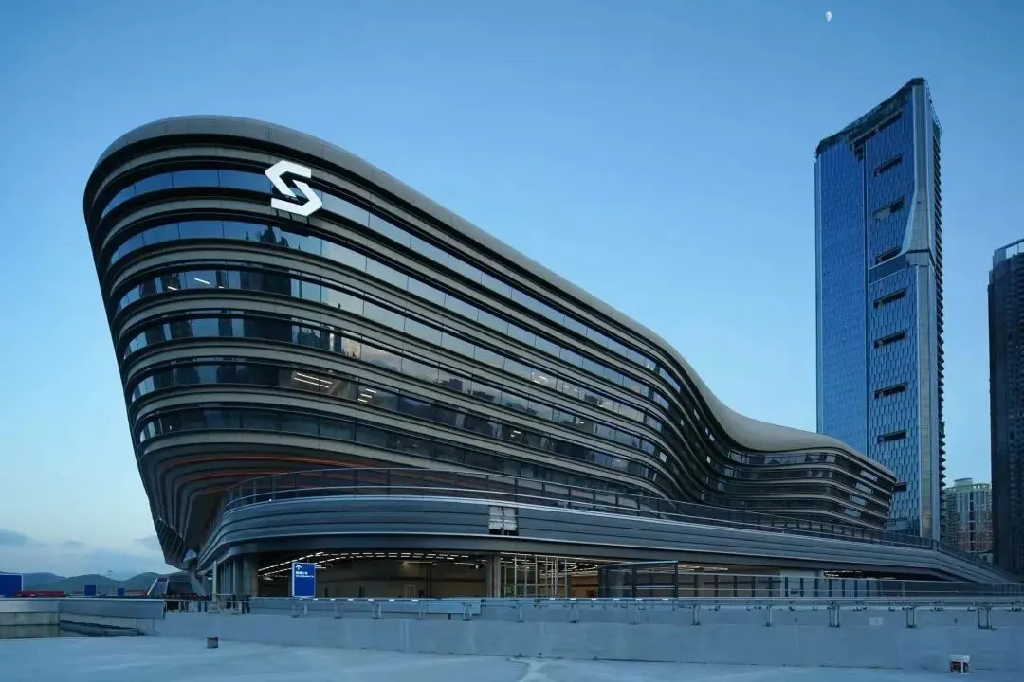
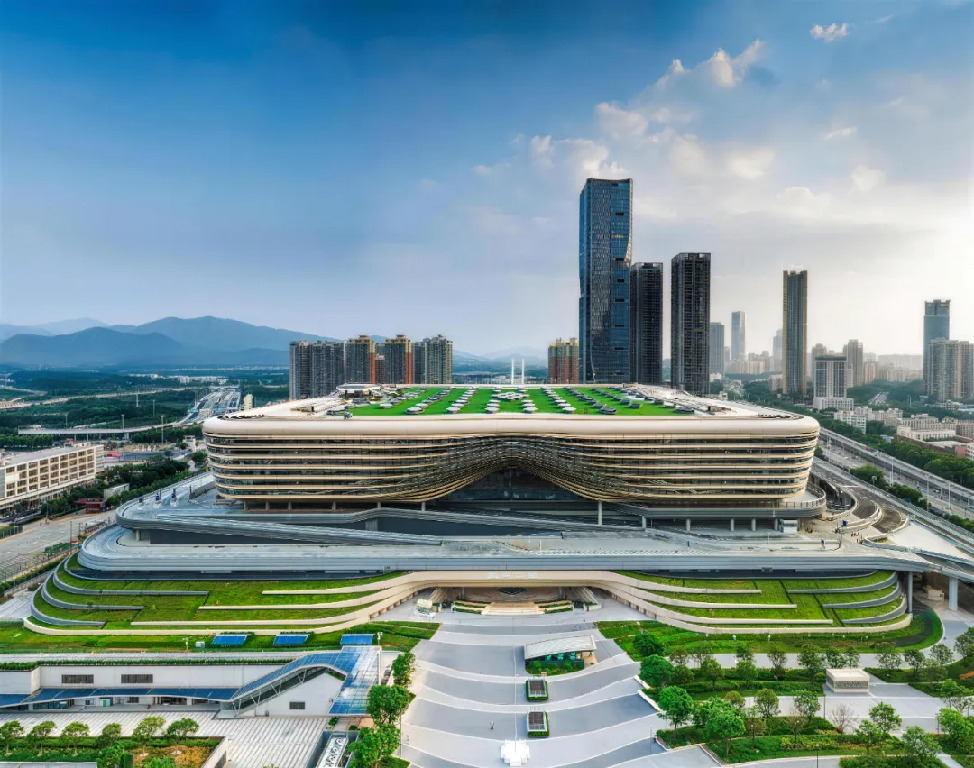
The port is the world's largest single-building land port and the first to adopt an integrated, vertically stacked layout. It can handle eight times as many passengers on just one-seventh of the land area.
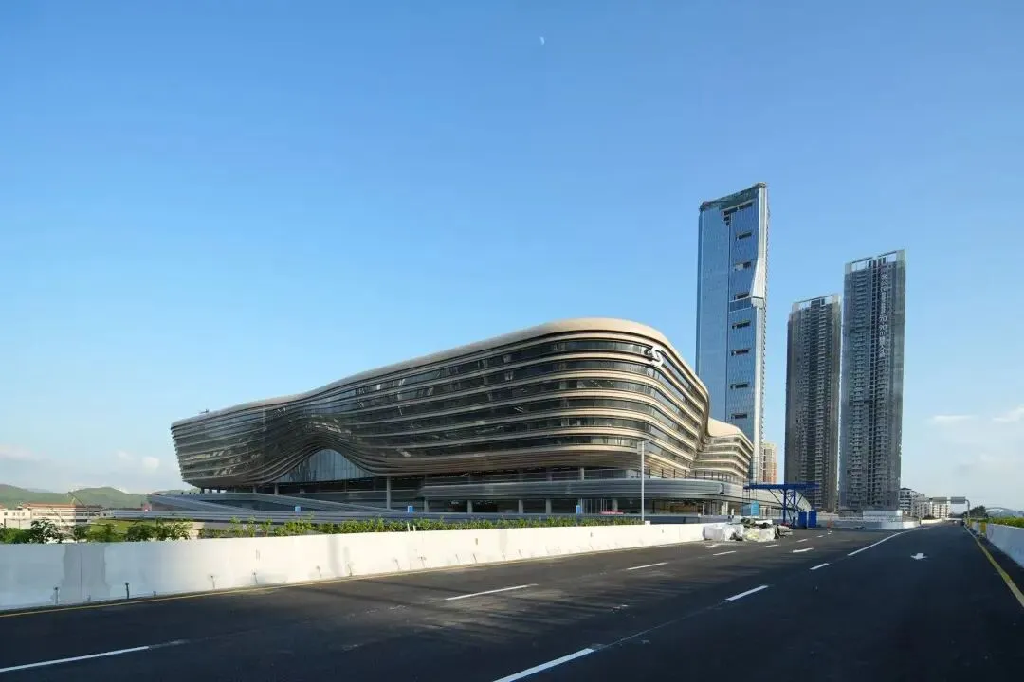
Compact vertical design
The site covers only 87,500 square meters, less than half the area used for passenger inspection at the old port, yet the new facility must accommodate four times the previous clearance volume. To meet this demand, the project team stacked functions vertically, bringing passenger clearance, vehicle inspection and transport connections together in a single building. Travelers can complete cross-border journeys without additional transfers between transport modes, making the port a model for integrated transport hubs.
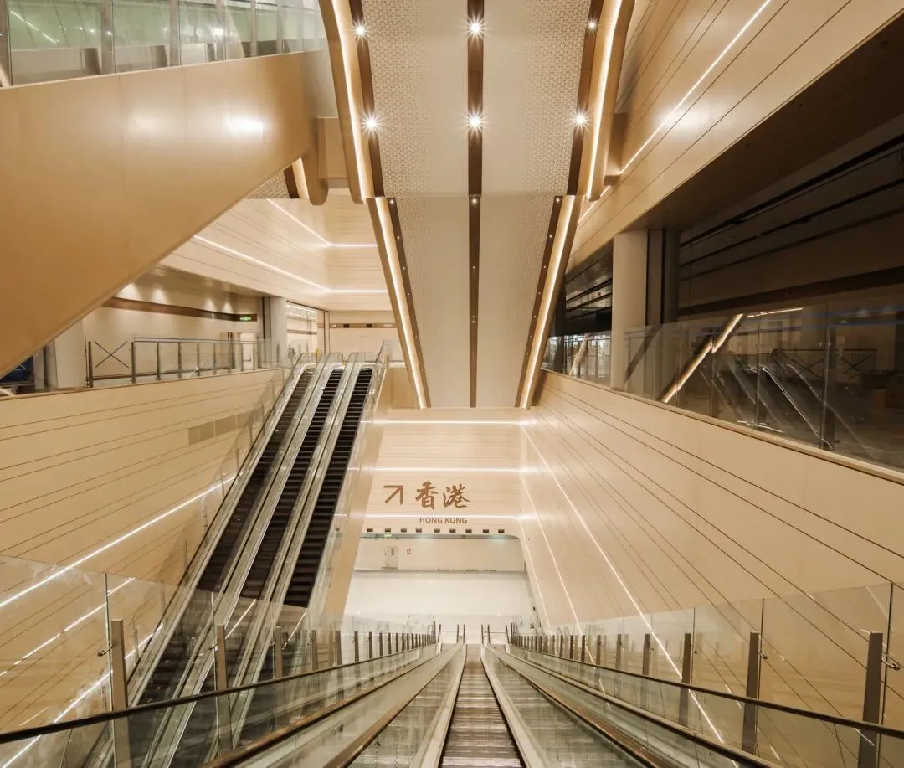
The building has four underground levels and five above-ground floors. The fourth and fifth floors house the passenger hall, while the first three floors handle vehicle inspection and transport connections. The underground levels accommodate a public transport hub on the Shenzhen side.
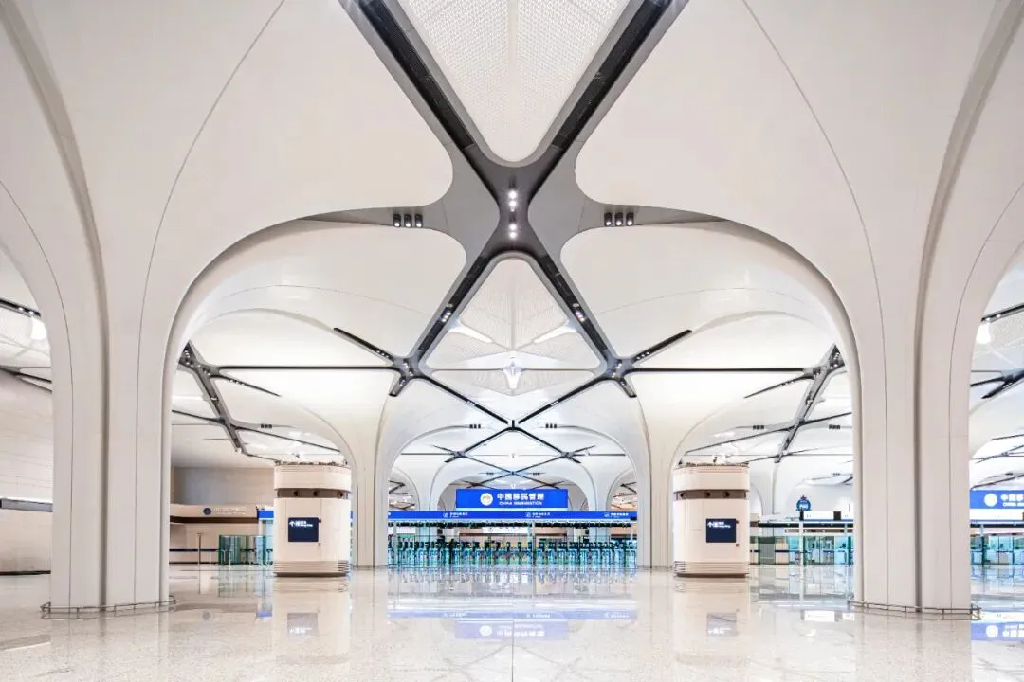
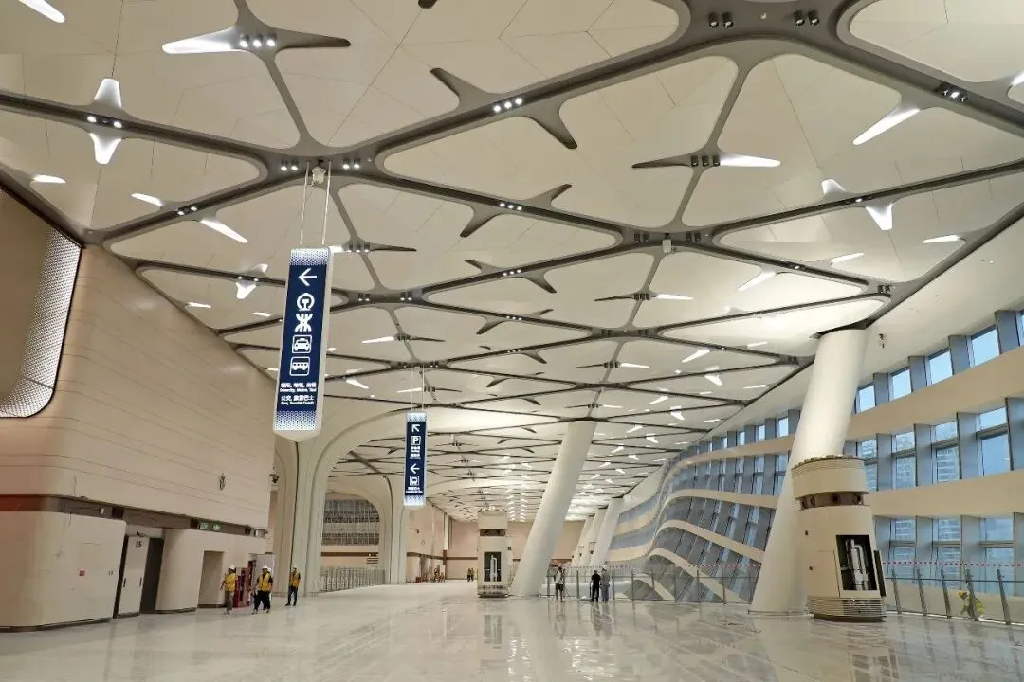
The passenger hall
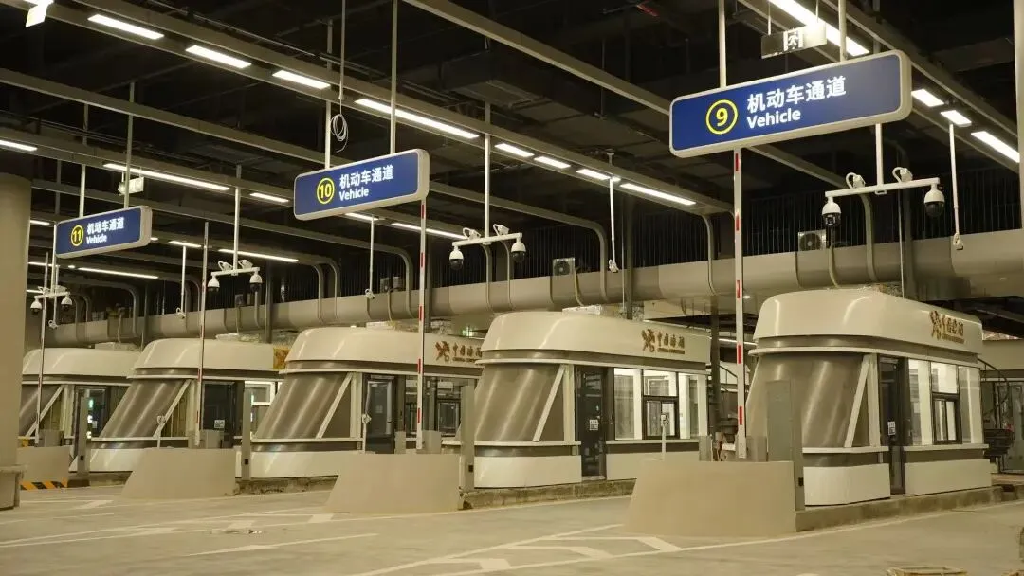
Vehicle inspection lanes for cross-border traffic
Vibration control
The vertical design frees up urban space but also presents a challenge: controlling vibrations caused by vehicles moving through the same building. The team installed a floating-slab vibration isolation system throughout the port. First used in subways, the technology is being applied for the first time at a land port transport hub in China. It reduces vibration levels by 96.8 percent in sensitive areas on adjacent floors.
Clearance in 5 minutes
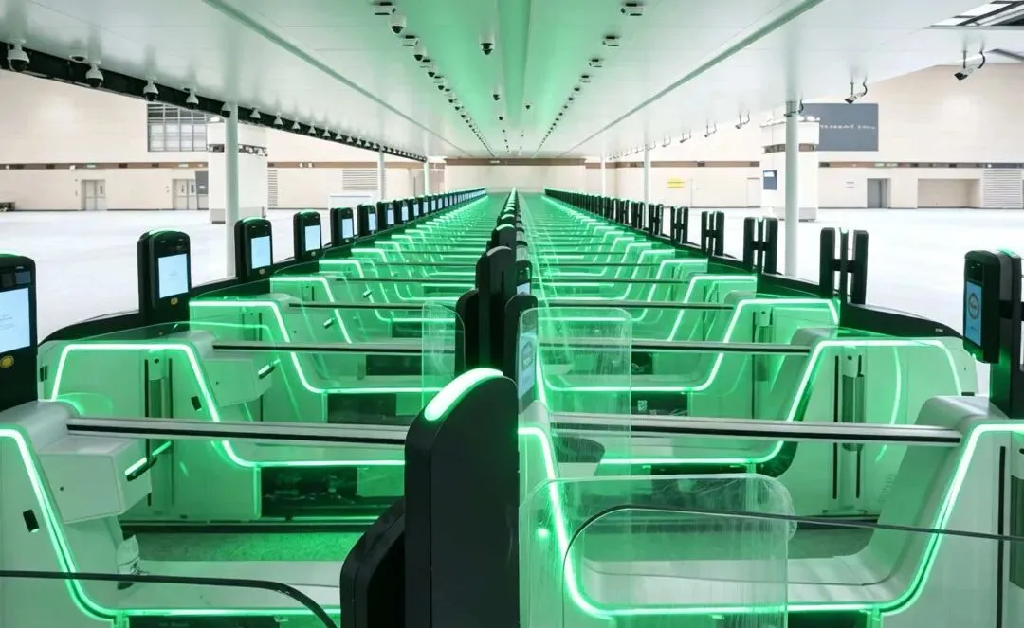
The rebuilt port adopts a co-location arrangement between Shenzhen and Hong Kong, allowing travelers to queue once, have their documents checked once and complete clearance in as little as five minutes. With 184 elevators, 134 cooperative inspection lanes and 68 manual inspection counters, the total clearance time has been cut from about 30 minutes to about five minutes. The port is designed to handle 200,000 travelers a day and is expected to accommodate up to 300,000 on peak days.
Eco-friendly port hub
The project incorporated more than 100 green construction measures covering environmental protection, material conservation and water saving, helping create an eco-friendly port hub. The port also offers rest areas and activity spaces for travelers, as well as a multifunctional venue for social and recreational activities for nearby residents.
The smart, efficient and eco-friendly port hub will further enhance connectivity between Shenzhen and Hong Kong.


Site Map | Legal Statement | FAQ | Contact Us
©2017-2020 CSCEC ICP 05049820 CSCEC . LTD ICP 08010180



