Since it opened, the first phase of the Astana Light Rail Transit in Kazakhstan has averaged more than 70,000 passenger trips a day. Built with Chinese construction technology to meet local needs, the line is the first urban light rail system in Central Asia. It has changed how residents get around and brought new vitality to the city.

Hasyet Halembek joined the project after graduating from university. He started as a trainee technician and has stayed on the front line ever since, watching the line take shape, from pile driving and girder erection through to its opening. Working side by side with local colleagues, he also found love. Now that the line is operational, it represents both his responsibility to his family and his hopes for the future. For him, it connects not only the north and south of the city but also brings greater convenience to people's lives.
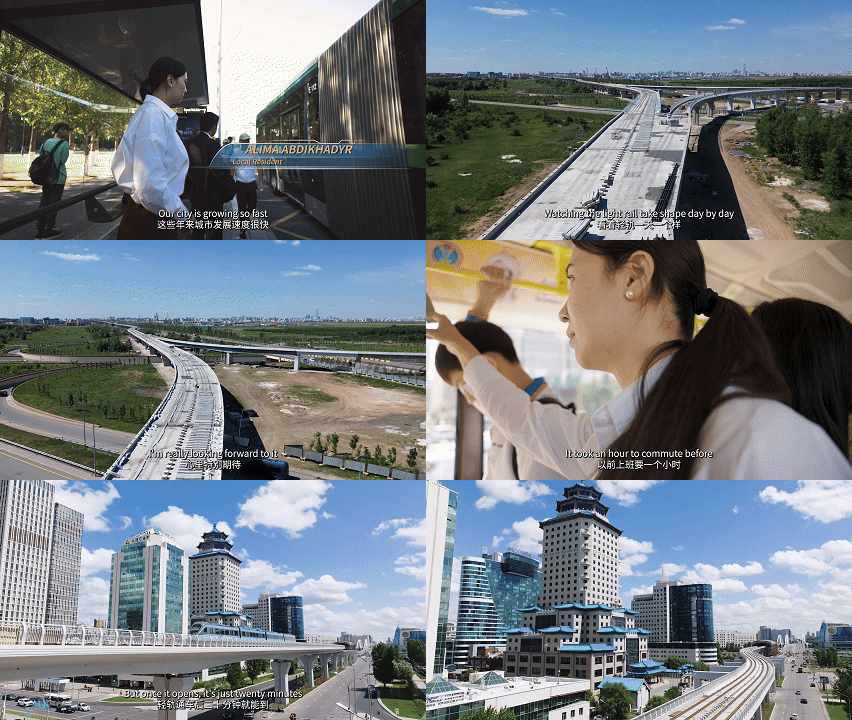
"It used to take me more than an hour to drive to work," said Alima Abdikhadyr, an Astana resident. "Now the light rail gets me there in a little over 20 minutes. It's very convenient."
For her, the line has cut commuting time and brought people and families closer together. It also offers a greener way to travel.
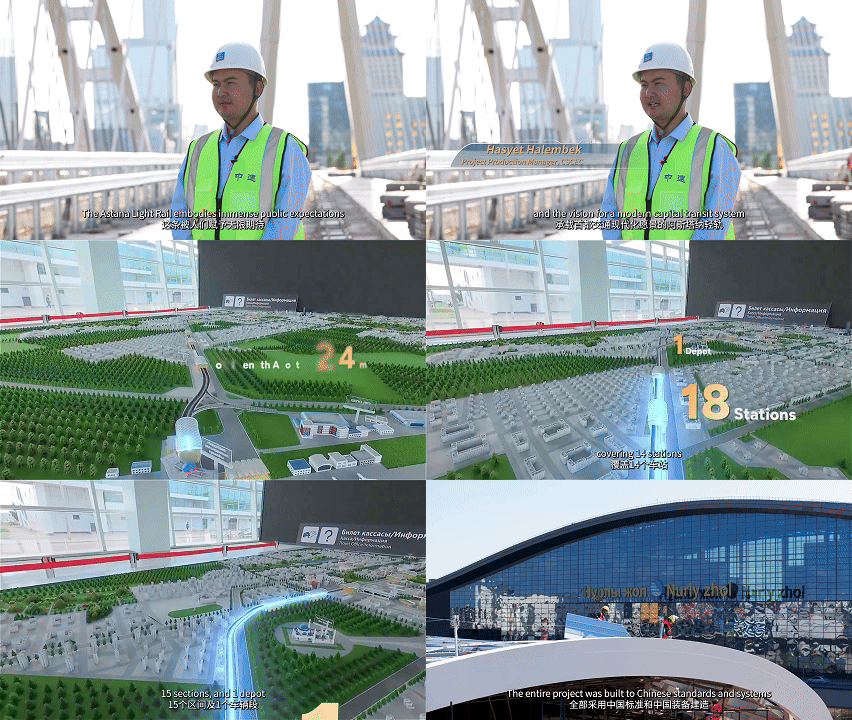
CSCEC built 18.34 kilometers of the line, including 14 stations, 15 sections between stations and one depot, using Chinese standards, technology and equipment.
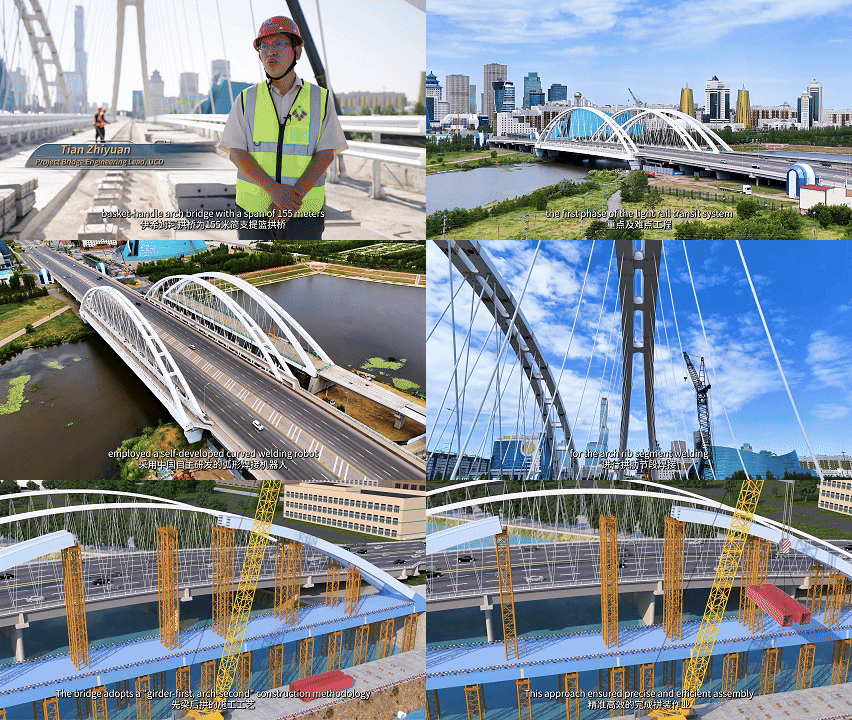
The steel arch bridge over the Ishim River was one of the toughest parts of the project. The team used a Chinese-developed curved welding robot to weld the arch rib segments and adopted a "girder-first, arch-second" construction method similar to assembling building blocks. The approach helped improve construction efficiency. The robotic welding system ensures consistent quality and precision in the main arch rib welds, while the construction method helps reduce safety risks under complex river conditions.


Site Map | Legal Statement | FAQ | Contact Us
©2017-2020 CSCEC ICP 05049820 CSCEC . LTD ICP 08010180



