The Shenzhen Science &Technology Museum (New Building), built by CSCEC, was recently selected for the museum category of the 2026 Prix Versailles.
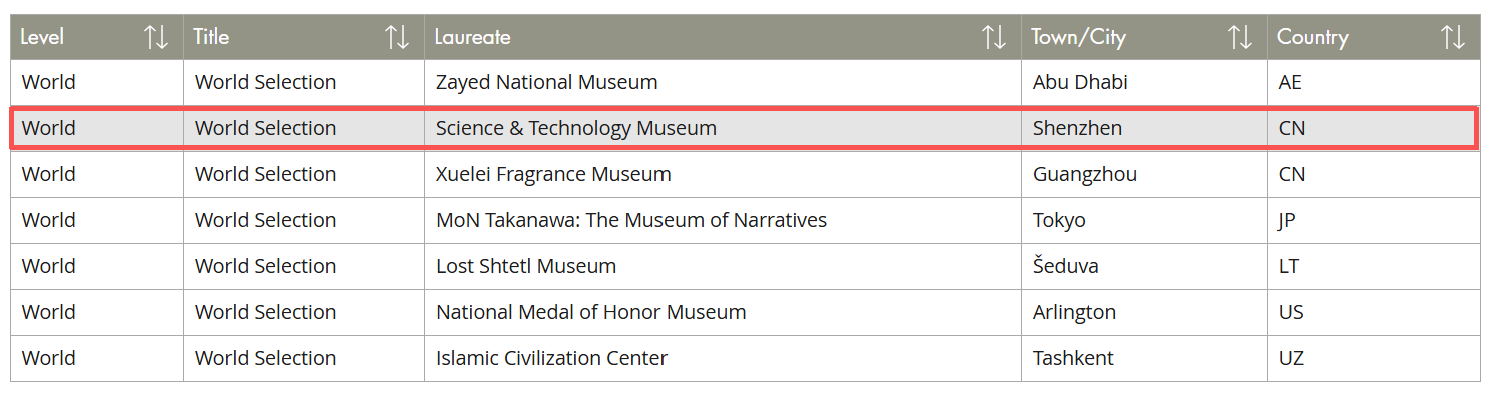
Founded by UNESCO and the International Union of Architects, the Prix Versailles recognizes the world's most beautiful buildings and ranks among the most authoritative international honors in public and commercial architecture.
Located in the heart of Guangming District Science Park, the new museum covers a total floor area of about 128,300 square meters and stands 57 meters tall. It serves as a world-class, large public science center that integrates exhibitions, activities, innovation incubation, city promotion, and science-themed leisure.
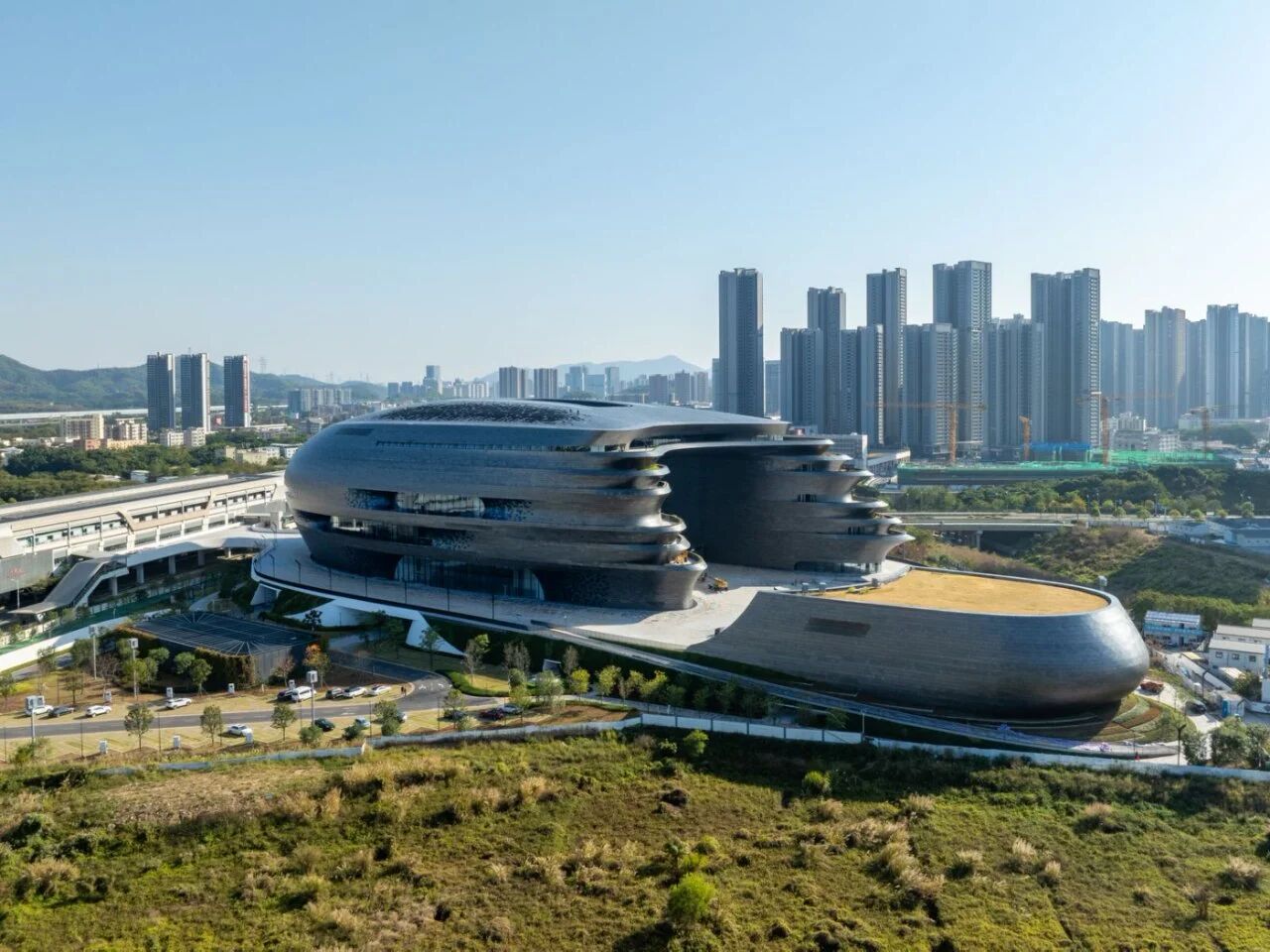
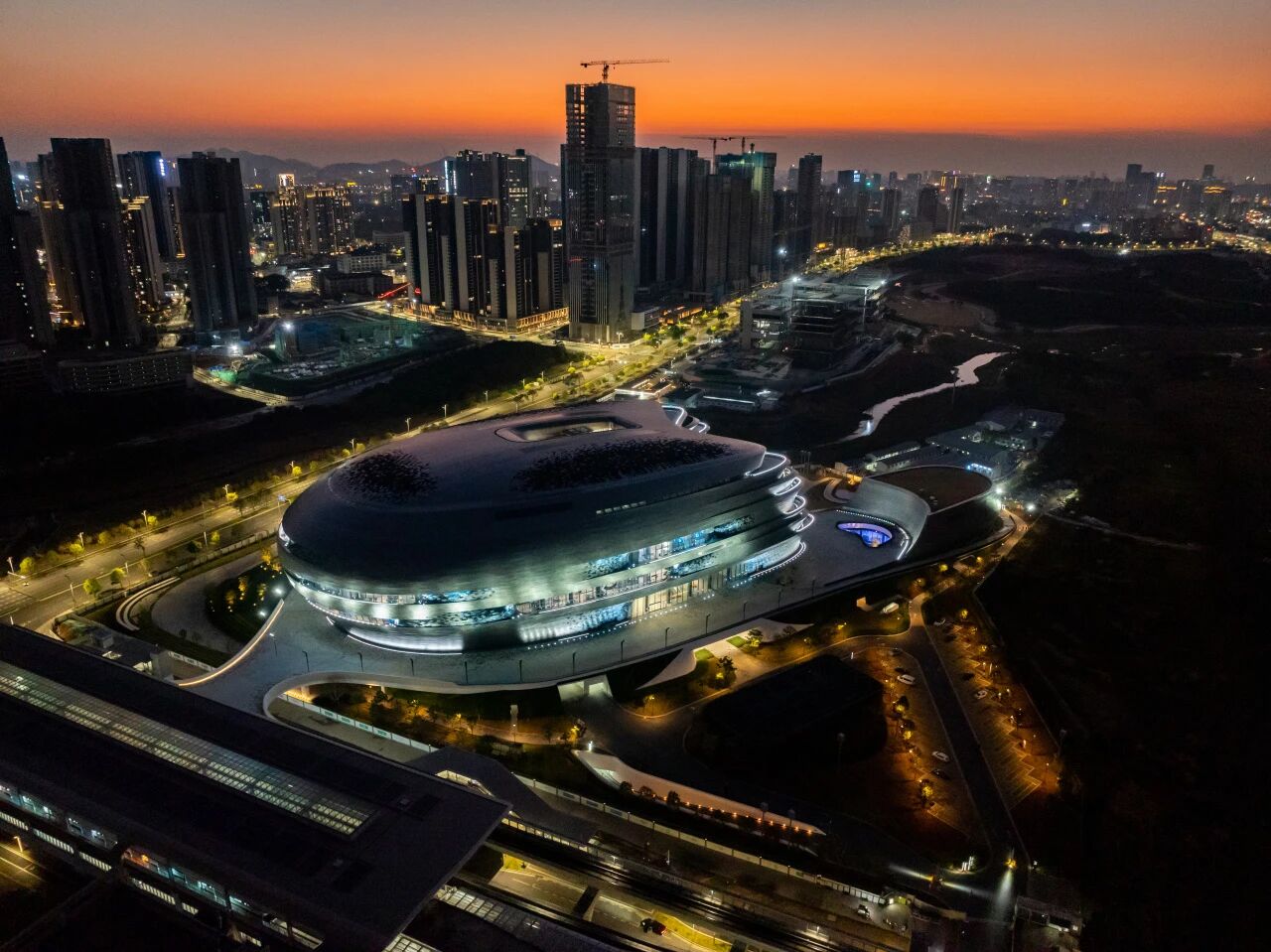
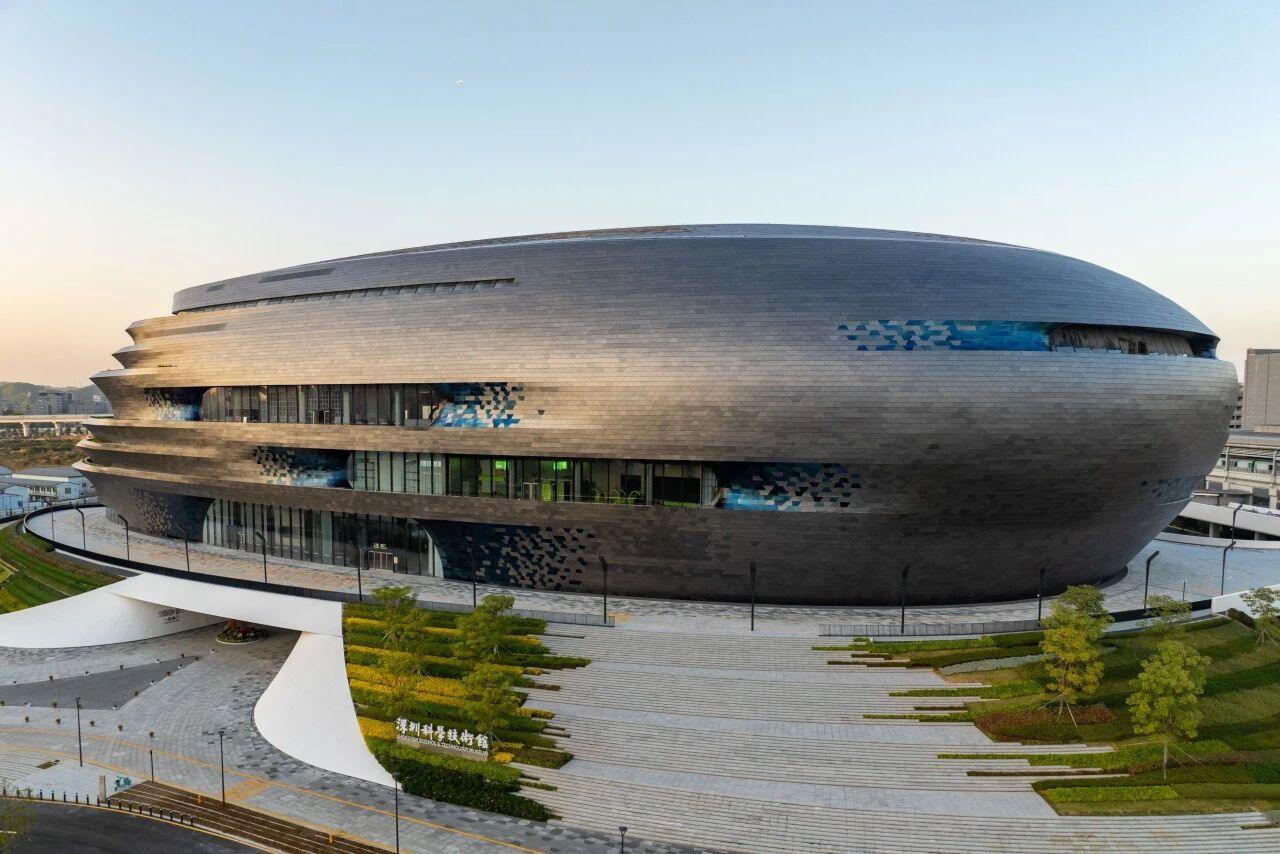
The new museum was designed by internationally renowned firm Zaha Hadid Architects, drawing on futurist aesthetics to give it the look of a sci-fi spacecraft poised for launch. A vast atrium of the U-shaped structure connects the surrounding landscape with the geometric exhibition spaces inside, providing a dramatic setting for cutting-edge displays on aerospace, artificial intelligence, and drone racing, among other fields.
The museum houses five themed exhibition halls and 25 special exhibitions. Through a smart integrated platform, the project team incorporated 34 new industrial technologies, 14 new processes, 12 new materials, and three world-leading achievements to present the latest development trends in construction technologies.
The project's curtain wall spans more than 60,000 square meters and is made up of over 90,000 stainless steel panels of varying sizes, precisely fitted together. Its deep-grey metallic façade features color gradient across different weather conditions and times — the varying curvature of the panels produces gradual changes in light and shadow that evoke auroras, nebulae, and solar flares. To achieve this effect, the project team tackled the highly demanding Inco coloring process, refining it through six steps — flattening, polishing, oil grinding, sandblasting, embossing, and coloring — to extend the service life of the metal panels to over 20 years.
Inside, the design draws on the traditional design concept of negative space, creating a sense of spaciousness that gives visitors both a strong visual impact and room for imagination.
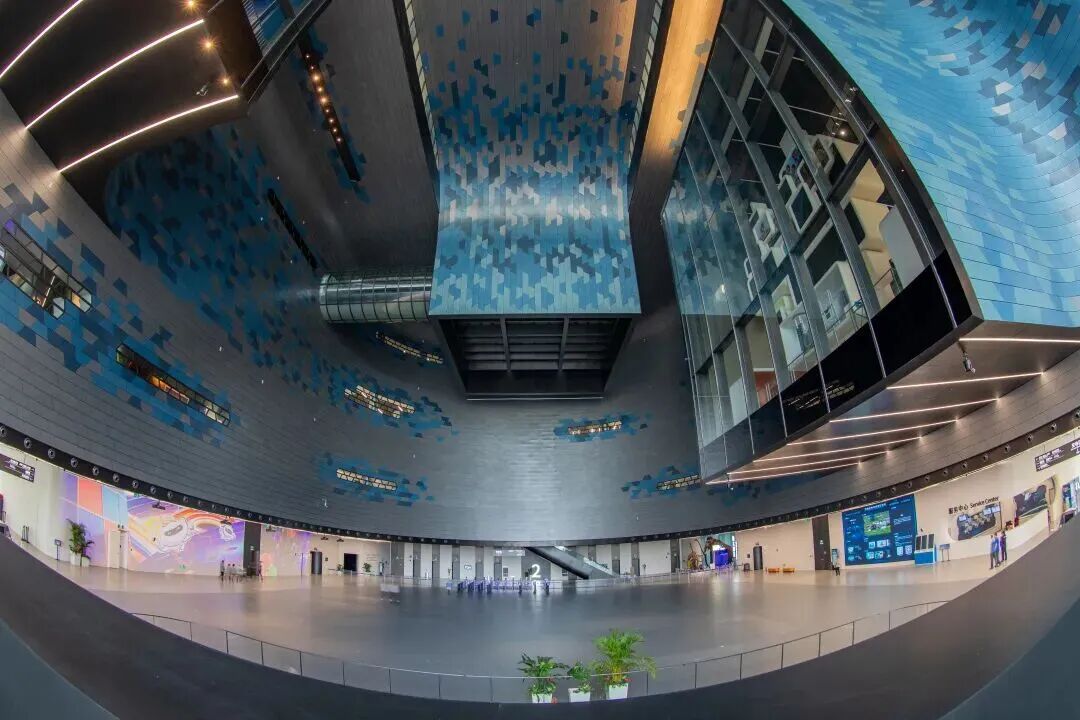
The venue's largest steel structure is a column-free atrium roof supported by a steel truss weighing nearly 2,200 tonnes, with a maximum span of 72 meters. The project team lifted the entire truss 33 meters into position with millimeter-level precision.
Since opening, the new museum has welcomed over four million tourist visits and earned a public satisfaction rate of more than 90 percent.


Site Map | Legal Statement | FAQ | Contact Us
©2017-2020 CSCEC ICP 05049820 CSCEC . LTD ICP 08010180



